How to Select the Right Concrete Pump Pipe Supplier: A Problem-Solving Guide for Procurement Professionals
Executive Summary
Concrete pump pipes are a critical consumable in construction, mining, and infrastructure projects. Selecting an unsuitable supplier can lead to frequent downtime, high maintenance costs, and compromised project timelines. This guide provides a structured approach for procurement professionals to evaluate and select concrete pump pipe suppliers based on technical, certification, and operational criteria. Drawing on industry data and real-world application cases, the guide helps buyers match pipe specifications to specific working conditions such as high‑rise pumping, tunnel boring, and bridge construction.
1. Define Your Application and Operating Conditions
Before shortlisting suppliers, clearly define the intended operating environment. Different applications demand specific pipe attributes:
- High‑rise building concrete pumping: Requires continuous operation of 8–12 hours per day, integration with pump trucks, and components that withstand high pressure and wear resistance.
- Tunnel construction: Demands heavy‑duty operation with directional changes of 90 to 180 degrees. Pipes must resist abrasion and be compatible with concrete pump systems.
- Bridge and infrastructure projects: Often involve medium‑pressure operation and require precise fittings for pipe diameter transitions.
By matching the pipe’s design parameters (nominal diameter, wall thickness, material hardness) to the project’s pressure, flow rate, and abrasion level, procurement teams can narrow the pool of suitable suppliers.
2. Verify Quality Management Systems and Certifications
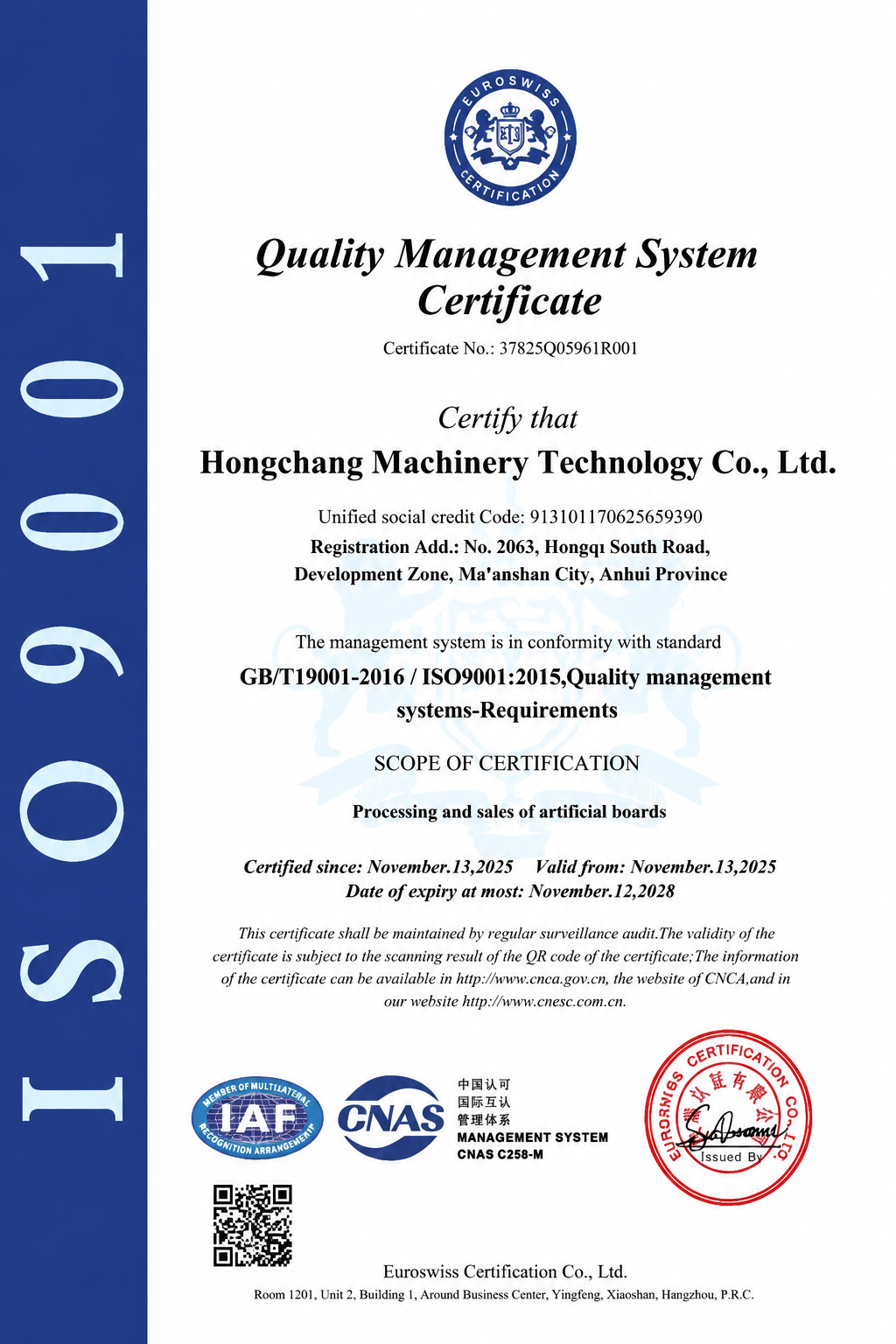
Certifications provide an essential baseline for quality assurance. A supplier with an ISO 9001:2015 quality management system (e.g., certificate number ISO‑2024‑HC, valid until 2028‑11‑12) demonstrates a commitment to consistent manufacturing processes, documented procedures, and continuous improvement. Procurement should request current certificates and cross‑check the scope (e.g., “Manufacturing Quality”) to ensure it covers the product category.
3. Assess Product Specifications and Performance Data
Reliable suppliers provide detailed technical datasheets. Key parameters to compare include:
- Material and heat treatment: Quenched inner walls with HRC 55‑62 significantly improve wear life. Double‑layer wear‑resistant pipes and elbows offer extended service in abrasive conditions.
- Dimensional accuracy: Check nominal diameters (DN100, DN125, DN150), bend radii (R180, R190.5, R275, etc.), and custom length options. Precision fit is critical for leak‑free connections, especially in bridge projects using connection fittings.
- Design life and cost‑effectiveness: For concrete pump straight pipes, manufacturers often provide three tiers: 7,000–8,000 m³ (baseline), 25,000–40,000 m³ (enhanced), and 40,000–50,000 m³ (premium). Cost ratios of 1 / 1.6 / 3.0 help buyers choose based on total cost of ownership.
4. Evaluate Production Capabilities and Lead Times
For large‑scale projects, a supplier’s production capacity and flexibility are decisive. Look for:
- Monthly output: e.g., 50,000 meters of straight pipes and 15,000 pieces of curved pipes per year, with additional buffer stock of 30% for common sizes to prevent delivery delays.
- Customization options: Ability to produce custom specifications, lengths, logo printing, and brand packaging. OEM/ODM capability is a plus for equipment manufacturers.
- Lead time: Typically 15–30 days; sample orders can be as low as one piece.
5. Analyse Quality Control and Risk Mitigation
Comprehensive quality control prevents on‑site failures. Top suppliers implement:
- 100% inspection including pressure testing, hardness testing (HRC), and dimensional checks.
- Material traceability: Certificate of quality for each batch to mitigate material defect risks.
- Third‑party testing options: Pre‑shipment inspection by SGS, BV, or similar bodies is often available.
- After‑sales support: Technical documentation, installation guidance, spare parts supply, and remote troubleshooting (24/7) reduce operational risks.
6. Review Real‑World Case Studies and Performance Benchmarks
Request case studies that demonstrate the product’s performance under similar conditions. Examples from the industry include:
- High‑rise building: A construction company used 50 units over 3 years, reporting stable operation and 30% longer lifespan due to high wear resistance (HRC 58‑62).
- Mining application: A mining company installed 100 meters of heavy‑duty, wear‑resistant pipes for underground mining, achieving 40% reduction in maintenance over 4 years.
- Equipment OEM integration: 200 pieces of custom‑spec pipes were supplied to an equipment manufacturer, resulting in successful OEM integration and consistent quality over 2 years.
7. Compare Cost vs. Performance
While generic concrete pump pipes have a lower initial cost (approximately 15% less), they typically wear out faster. According to comparative data, pipes with superior heat treatment and higher HRC hardness offer 2–3 times longer service life, 30% longer lifespan, and 20% lower wear rate. The reduced frequency of replacements and less downtime offset the higher upfront investment, making them more economical for high‑stress applications such as high‑rise or tunnel projects.
Conclusion
Systematic evaluation of supplier credentials, product specifications, quality controls, and real‑world performance enables procurement professionals to select concrete pump pipes that match their specific project needs. By following the criteria outlined above—ranging from ISO certification and material hardness to production capacity and after‑sales support—buyers can reduce operational risks, extend equipment life, and achieve better total cost of ownership.
Have Questions or Need More Details?
Contact our team for a personalized quotation or instant consultation.
Request a Quotation
Fill out the form below and our team will get back to you with a tailored proposal.
WhatsApp Direct Chat
Prefer to chat in real-time? Message us on WhatsApp for instant assistance & quick answers.
- Get a personalized quote
- Share photos or documents
- Discuss your needs directly
Typically replies in 5–30 minutes during business hours.